When businesses invest in software, the first question is almost always: "How much does it cost?" It's an understandable question—but it's often the wrong one.
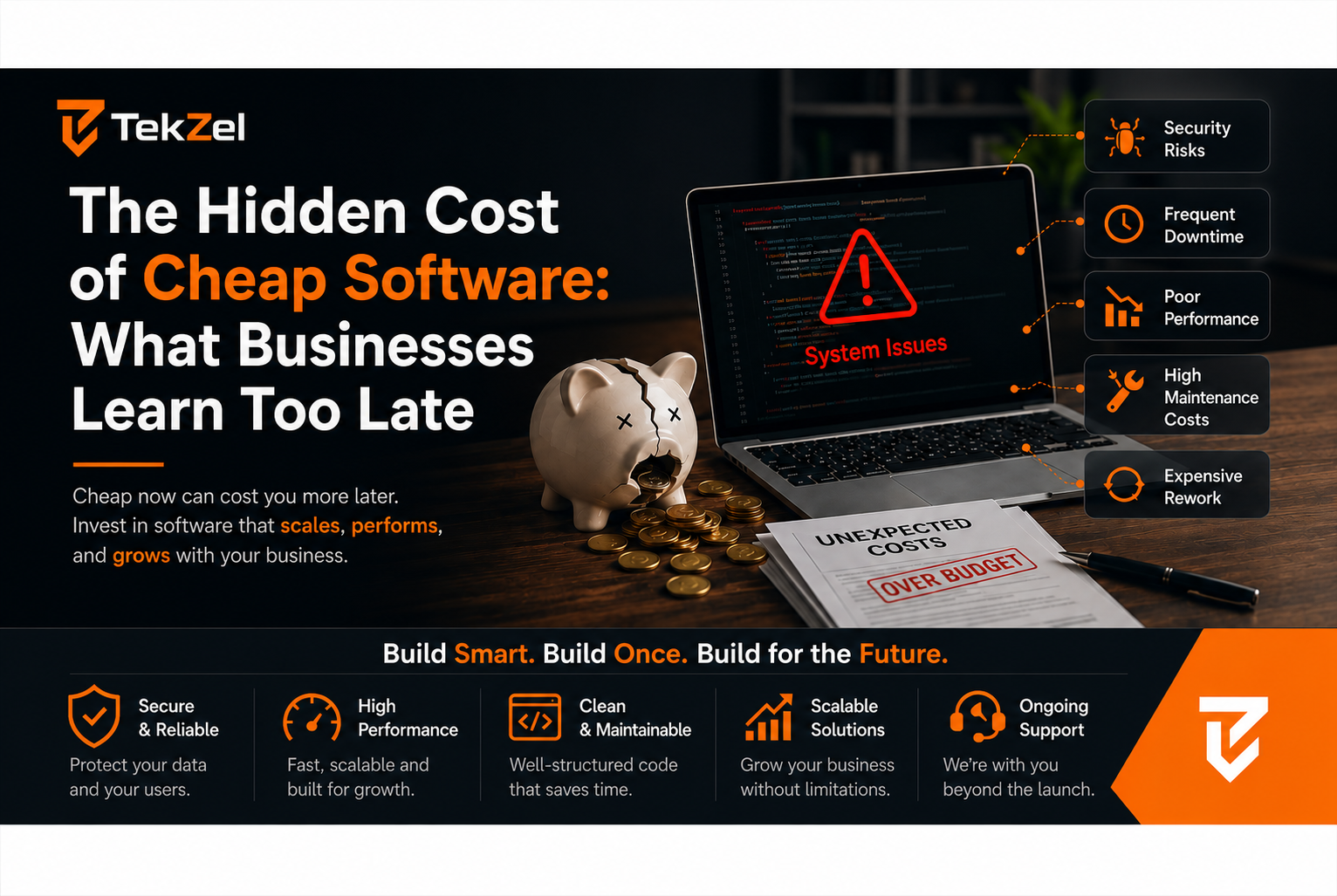
A better question is: "What will this software cost us over the next five years?" The cheapest proposal may save you money today, but it can end up costing far more in lost productivity, security issues, expensive rewrites, and missed business opportunities.
After working with businesses at different stages of growth, we've seen one pattern repeat itself: companies rarely regret investing in quality software—they regret cutting corners.
Cheap Software Isn't Always Bad—But It Often Comes With Hidden Costs
Let's be clear: not every affordable solution is a bad one. There are excellent open-source platforms, SaaS products, and smaller development teams that deliver incredible value.
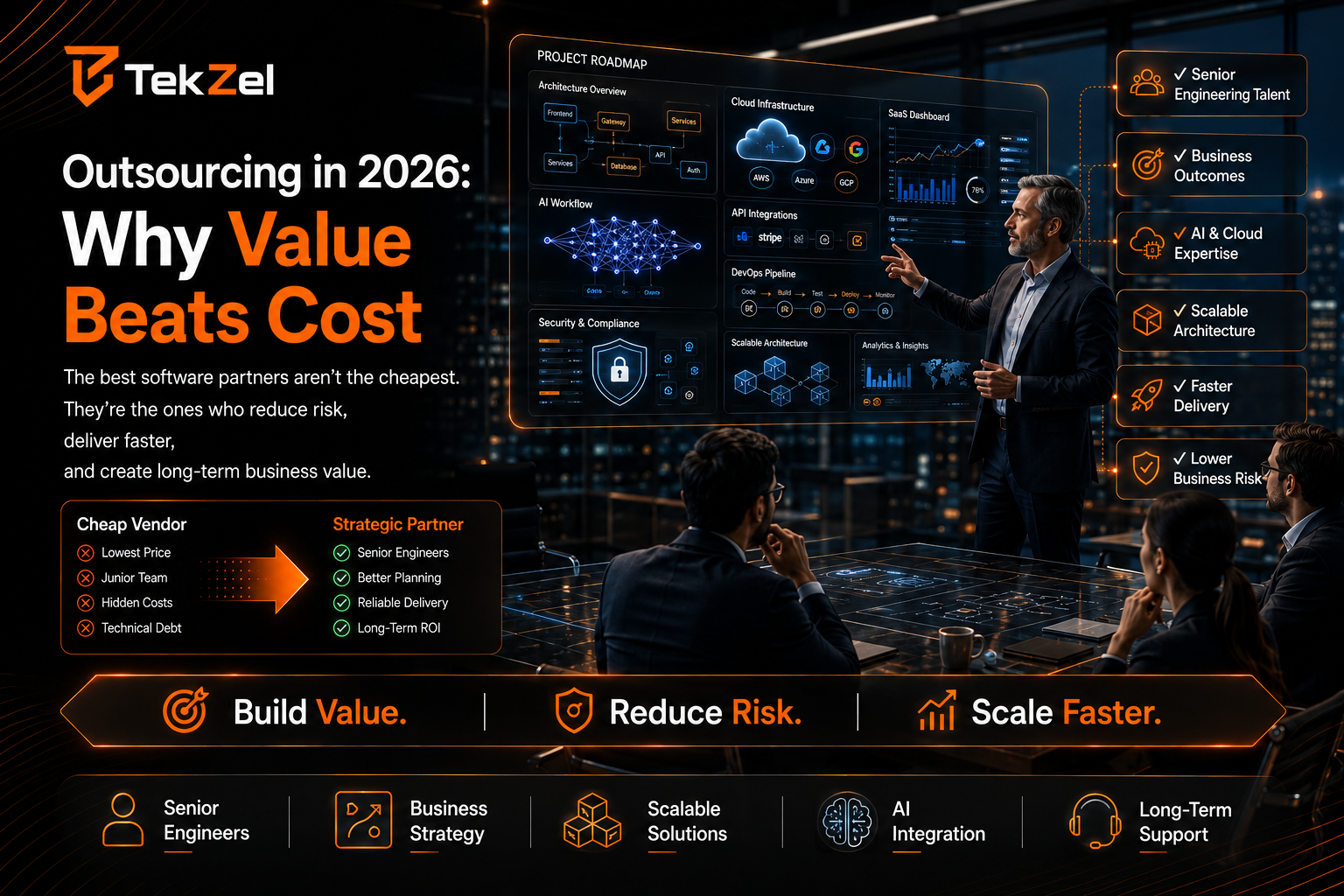
The problem begins when software is chosen solely because it's the cheapest option, without considering long-term business needs. Software isn't just another expense. It's the foundation your team relies on every day.
1. Technical Debt Grows Faster Than You Think
Think of technical debt like borrowing money. It feels manageable at first. But every shortcut taken during development creates future work.
- Poor code structure
- Hardcoded values
- Duplicate code
- Missing documentation
- No automated testing
- Temporary fixes becoming permanent
Initially, everything appears to work. But months later, even a small feature request takes days instead of hours. Eventually, the development team spends more time fixing old problems than building new features. That's technical debt—and it's one of the most expensive hidden costs in software development.
2. Slow Software Costs More Than Fast Developers
Most businesses measure software by the invoice. Customers measure it by speed. Research consistently shows that slow websites and applications reduce user engagement and increase abandonment. Every extra second of delay can translate into lost conversions and lower customer satisfaction.
- Unoptimized databases
- Large images
- Poor backend architecture
- Excessive API requests
- Low-quality hosting
A website that loads slowly doesn't just frustrate users. It quietly reduces revenue every single day.
3. Security Isn't Optional
One of the biggest mistakes businesses make is treating security as an optional feature. It isn't. Poorly developed software often lacks:
- Secure authentication
- Input validation
- Data encryption
- Regular security updates
- Proper access control
The consequences can include customer data breaches, financial loss, legal issues, and reputation damage. Recovering trust after a security incident is far more expensive than preventing one.
4. Scaling Becomes Painful
Many businesses outgrow their software faster than expected. The application worked perfectly for 10 customers, 100 users, one office. Then the business expanded.
Suddenly the system couldn't handle more users, larger databases, additional features, multiple teams, or higher traffic. Instead of supporting growth, the software became the bottleneck. Good software should grow with your business—not hold it back.
5. Integration Problems Multiply
Modern businesses rely on multiple systems working together: CRM, accounting, marketing, payments, inventory, and customer support.
Cheap software often isn't designed for integration. As a result, teams begin manually copying information between platforms.
- Duplicate data
- Human errors
- Wasted hours
- Reporting inconsistencies
The hidden cost isn't just inefficiency—it's lost time that could have been spent serving customers.
6. Downtime Is More Expensive Than You Think
Every minute your system is unavailable has a cost. For some businesses, that means lost sales. For others, it means halted operations, frustrated employees, or disappointed customers.
Reliable software includes monitoring, error logging, backups, disaster recovery, and performance optimization. These aren't "nice-to-have" features. They're part of building software your business can depend on.
7. Rebuilding Costs More Than Building It Right
One of the hardest conversations businesses face is realizing their existing software can't be fixed economically. By that point, they've already spent development costs, maintenance costs, employee training, time adapting workflows, and lost productivity.
Then they pay again to replace it. In many cases, the total cost of rebuilding exceeds what a well-planned solution would have cost from the start.
8. Your Team Pays the Price Every Day
When software doesn't fit the way people work, employees create workarounds: extra spreadsheets, manual data entry, repeated tasks, email chains, sticky notes.
Small inefficiencies repeated hundreds of times every week become a significant business cost. Great software should remove friction—not create it.
How to Choose Software That Delivers Long-Term Value
Before choosing a software partner, ask questions that go beyond the initial quote:
- How will this system scale over the next three to five years?
- What security practices are built into the project?
- Is the code documented and maintainable?
- What happens after launch?
- How are updates and bug fixes handled?
- Can the solution integrate with our existing tools?
- Who owns the source code and intellectual property?
The answers reveal far more than the price ever will.
Think in Terms of Return on Investment, Not Initial Cost
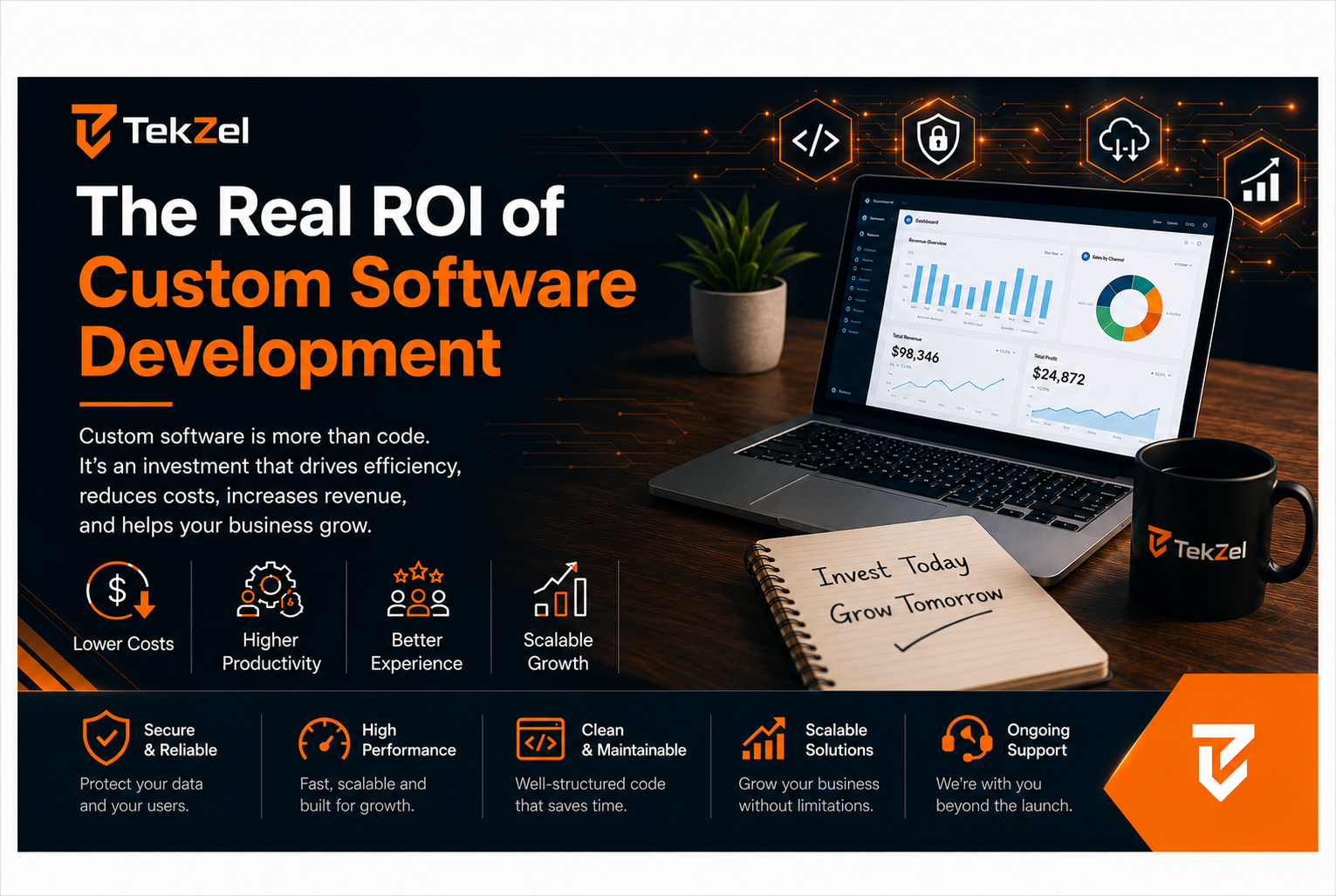
Quality software isn't the cheapest option. It's the option that continues delivering value long after launch.
The right investment helps your business:
- Improve productivity
- Reduce manual work
- Enhance customer experience
- Increase security
- Scale with confidence
- Lower long-term maintenance costs
That's why successful companies evaluate software based on total value, not simply the lowest quote.
Final Thoughts
Choosing software is more than a purchasing decision—it's a strategic investment in your business's future. The cheapest solution may look attractive today, but hidden costs often emerge months later through maintenance, downtime, security risks, and expensive rewrites.
At TekZel, we believe software should be built with long-term success in mind. Every project starts with understanding your business goals, selecting the right technology, and creating solutions that remain reliable as your company grows.
If you're evaluating your next software project, don't just compare prices. Compare experience. Compare quality. Compare long-term value.
Because in software development, the cheapest solution is rarely the least expensive one.
Ready to Build Software That Grows With Your Business?
Whether you're planning a business website, a custom platform, a SaaS product, or enterprise software, TekZel helps businesses make informed technology decisions before a single line of code is written.
Book a free consultation and let's discuss the solution that's right for your business—not just the cheapest one.